FREE UK SHIPPING FOR ORDERS OVER £50.00

Why Is Organic Cotton Better for Farmers and the Soil?

Organic cotton isn’t just about being chemical-free—it’s about creating a healthier, more sustainable farming system. Here’s how it helps:
Better for Farmers
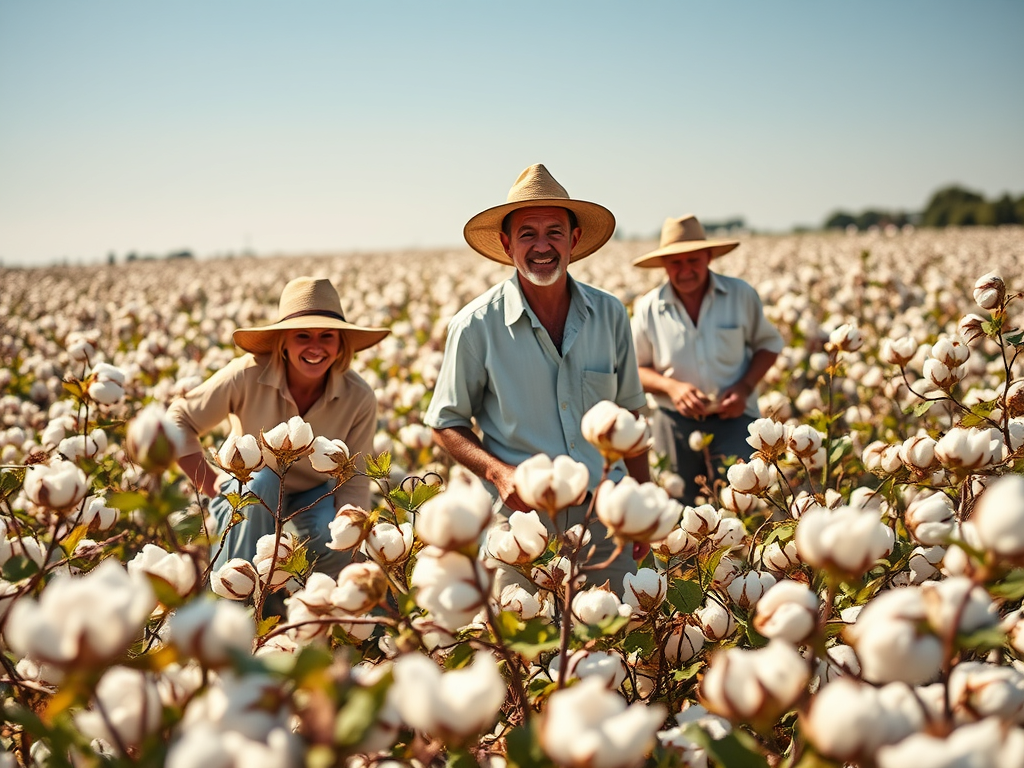
- No toxic chemicals: Conventional cotton farming uses large amounts of pesticides and insecticides—over 122,000 tons of pesticides are used globally each year. These chemicals can cause serious health problems for farmers, including skin diseases, respiratory issues, and even poisoning.
- Safer working conditions: Organic cotton farming avoids these harmful substances, which means farmers aren’t exposed to dangerous chemicals. This leads to better health and safer environments for them and their families.
- Fairer pay: Organic cotton often sells at a premium price. Farmers can earn more and are less dependent on expensive chemical inputs, which helps them become more financially stable.
Better for the Soil
- Healthier soil: Organic farming uses natural compost and crop rotation instead of synthetic fertilizers. This keeps the soil rich in nutrients and full of life.
- Less erosion: Organic cotton farming causes 26% less soil erosion than conventional methods. That means the land stays fertile and productive for future generations.
- More biodiversity: Without chemicals, the soil supports more insects, microbes, and plants, creating a balanced ecosystem that helps crops grow naturally.
Where Is Organic Cotton Grown?
In 2024, organic cotton was grown in 21 countries, but most of it comes from just a few:
| India | 38% |
| Turkey | 24% |
| China | 10% |
| Kyrgystan | 9% |
Together, these countries produce over 80% of the world’s organic cotton. India is also leading the way in converting more land to organic farming, with 86% of global in-conversion land located there.
Discover more from nineteensix-six.com
Subscribe to get the latest posts sent to your email.